
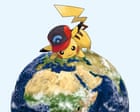
Nintendo’s monster-collecting franchise was pilloried as a ‘pestilential Ponzi scheme’ in the 90s. But as its celebrates its 30th birthday, it now stands as a powerful example of video games’ ability to connect people
When I was 11, it was my dream to compete in the Pokémon World Championships, held in Sydney in 2000. I’d come across it in a magazine, and then earnestly set about training teams of creatures, transferring them between my Pokémon Red Game Boy cartridge and the 3D arenas of Pokémon Stadium on the Nintendo 64. I never made it as a player but I did finally achieve this dream on my 26th birthday, when I went to Washington DC to cover the world championships as a journalist. I was deeply moved. Presided over by a giant inflatable Pikachu hanging from the ceiling, the competitors and spectators were united in an unselfconscious love for these games, with their colourful menageries and heartfelt messaging about trust, friendship and hard work.
It is emotional to see the winners lift their trophies after a tense final round of battles, as overwhelmed by their success as any sportsperson. But it’s the pride that the smaller competitors’ parents show in their mini champions that really gets to me. During the first wave of Pokémania in the late 90s, Pokémon was viewed with suspicion by most adults. Now that the first generation of Pokémaniacs have grown up, even becoming parents ourselves, we see it for what it is: an imaginative, challenging and really rather wholesome series of games that rewards every hour that children devote to it.
Continue reading…
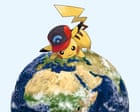 Nintendo’s monster-collecting franchise was pilloried as a ‘pestilential Ponzi scheme’ in the 90s. But as its celebrates its 30th birthday, it now stands as a powerful example of video games’ ability to connect people
When I was 11, it was my dream to compete in the Pokémon World Championships, held in Sydney in 2000. I’d come across it in a magazine, and then earnestly set about training teams of creatures, transferring them between my Pokémon Red Game Boy cartridge and the 3D arenas of Pokémon Stadium on the Nintendo 64. I never made it as a player but I did finally achieve this dream on my 26th birthday, when I went to Washington DC to cover the world championships as a journalist. I was deeply moved. Presided over by a giant inflatable Pikachu hanging from the ceiling, the competitors and spectators were united in an unselfconscious love for these games, with their colourful menageries and heartfelt messaging about trust, friendship and hard work.
It is emotional to see the winners lift their trophies after a tense final round of battles, as overwhelmed by their success as any sportsperson. But it’s the pride that the smaller competitors’ parents show in their mini champions that really gets to me. During the first wave of Pokémania in the late 90s, Pokémon was viewed with suspicion by most adults. Now that the first generation of Pokémaniacs have grown up, even becoming parents ourselves, we see it for what it is: an imaginative, challenging and really rather wholesome series of games that rewards every hour that children devote to it. Continue reading…Technology | The Guardian